Conserving Nature: The Critical Role of Wildlife Protection in Property Administration
Protecting wildlife in property management is increasingly recognized as a fundamental aspect of responsible development. This not only promotes ecological balance but also enhances community well-being. As property managers adopt nature-supportive practices, they can profoundly affect the biodiversity of local areas and habitat preservation. Nevertheless, the central question endures: which targeted approaches can be adopted to successfully achieve these objectives? Exploring this topic reveals both challenges and opportunities for property managers and communities alike.
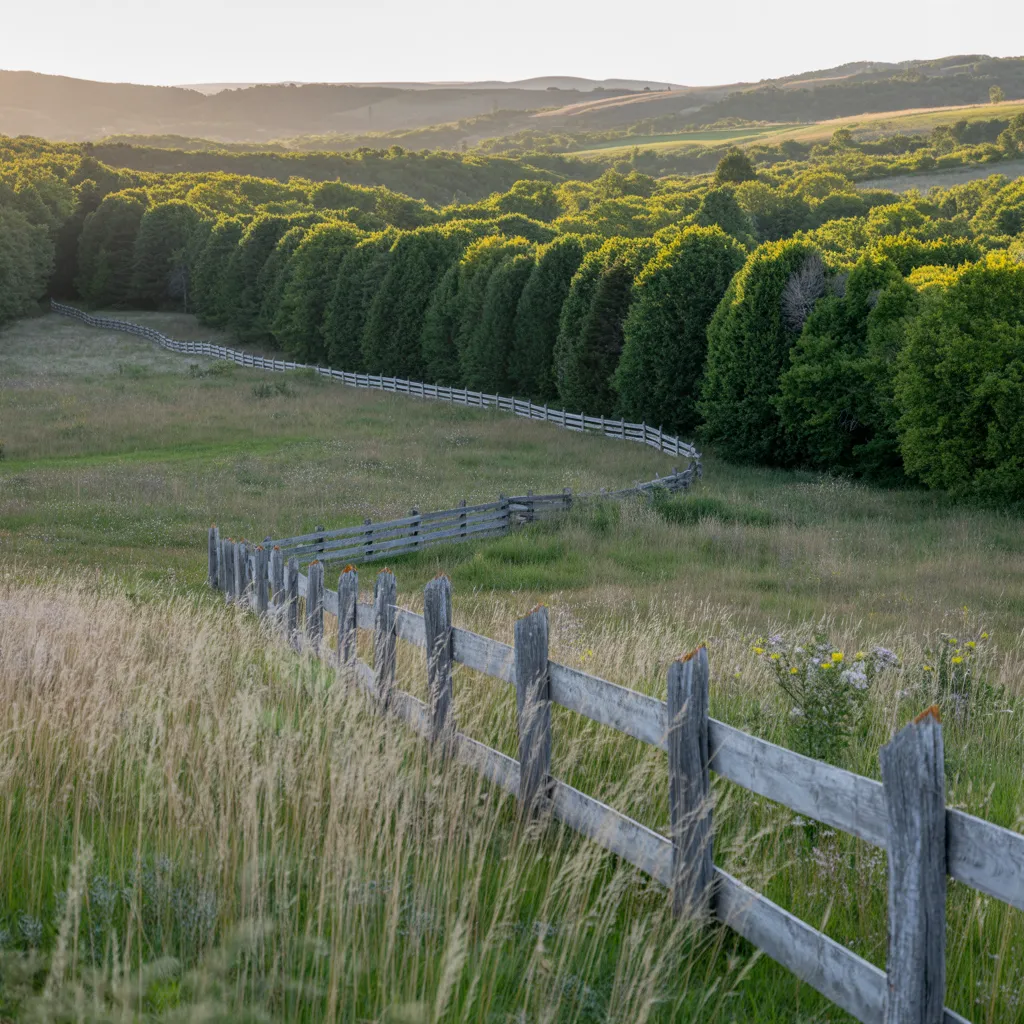
The Importance of Wildlife Protection in Property Management
While real estate management tends to emphasize human requirements and growth, understanding the importance of wildlife protection is vital for sustainable practices. Wildlife serves an essential purpose in preserving the balance of ecosystems, supporting natural processes like pest control, pollination, and seed distribution. Ignoring these factors can lead to harmful outcomes, including habitat degradation and reduced biodiversity.
Additionally, embedding wildlife protection into property management can boost community health and welfare. Green spaces benefit mental health and provide chances for outdoor activities, while well-maintained ecosystems can raise property values. Policies and regulations focused on conserving wildlife also cultivate a sense of responsibility among property managers, promoting ethical stewardship.
In the end, acknowledging the fundamental relationship between human activities and wildlife conservation is of critical importance. By prioritizing wildlife protection, property management not only maintains natural habitats but also promotes long-term sustainability, guaranteeing that both current and future generations can benefit from a balanced and thriving environment.
What Our Local Ecosystems Require From Us
Local ecosystems require active engagement and thoughtful management to thrive, as they encounter significant challenges posed by urbanization and climate change. In order to sustain these ecosystems, it is critical to sustain biodiversity by defending native species and their natural habitats. This involves creating corridors that connect fragmented environments, allowing wildlife to move freely and adapt to changing conditions.
Additionally, reducing pollution and managing waste effectively can greatly enhance local water quality and soil health. Education and community involvement play essential roles in developing a culture of stewardship among local residents, inspiring their participation in conservation activities.
Furthermore, advocating for eco-friendly land use approaches confirms that development does not come at the expense of vital ecosystem operations. By prioritizing these needs, societies guide can build a sustainable dynamic with their natural surroundings, eventually resulting in more robust natural environments that benefit both wildlife and human populations.
Proven Methods for Creating Wildlife-Friendly Properties
Developing wildlife-friendly properties demands a forward-thinking strategy, as careful planning and stewardship can significantly improve habitats for a wide range of species. Property owners can initiate efforts by planting native flora, which offer nourishment and refuge for indigenous wildlife while demanding minimal upkeep and irrigation. Establishing water sources, such as ponds or bird baths, encourages diverse species to thrive.
Furthermore, minimizing the application of herbicides and pesticides is vital, as these substances can damage helpful insects and surrounding wildlife. Incorporating natural landscaping techniques, such as creating brush piles or leaving fallen logs, supplies additional shelter.
In addition, placing birdhouses and bat boxes can assist nearby birds and insect-consuming bats, facilitating pest management. Finally, sustaining open landscapes facilitates wildlife movement, minimizing habitat fragmentation. By implementing these approaches, property administrators can create environments that foster biodiversity while enhancing the overall ecological health of their properties.
Involving the Community in Wildlife Conservation
Engaging the local community in wildlife conservation is crucial for fostering a shared sense of responsibility. Public participation programs, including awareness workshops and gatherings, can effectively raise awareness and promote active participation. These initiatives not only enhance local knowledge but also deepen the connection between community members and their surrounding ecosystem.
Community Participation Efforts
Community engagement initiatives play an essential role in preserving natural ecosystems, cultivating collective accountability among local inhabitants. Through engaging residents in wildlife protection initiatives, site administrators can nurture community ownership for local ecosystems. Programs can encompass organized volunteer habitat recovery efforts, citizen science projects that monitor local species, and joint environmental strategy development. Such programs not only improve ecological diversity but also build stronger neighborhood bonds, as neighbors unite around mutual conservation aims. Moreover, incorporating community participation welcomes a range of insights, guaranteeing that preservation plans remain both culturally sensitive and environmentally sound. In the end, by inspiring residents to become active participants in conservation, neighborhoods can develop lasting habitats that serve both people and nature.
Learning Workshops and Events
Educational workshops and events act as an effective pathway for strengthening wildlife conservation initiatives within local communities. Such initiatives support the exchange of knowledge, equipping participants with critical insights into the importance of biodiversity and local ecosystems. By involving community members in hands-on activities, such as environmental restoration or wildlife monitoring, these programs cultivate a sense of ownership and responsibility towards local wildlife. Working relationships with environmental experts and organizations greatly enhance the experience, equipping participants with hands-on tools and resources. Furthermore, these events can tackle urgent concerns including habitat loss and invasive species, encouraging proactive community involvement. In the end, these learning initiatives not only raise awareness but also empower individuals to contribute meaningfully in the protection of wildlife, ensuring a sustainable future for both nature and local communities.
How Wildlife Protection Boosts Property Value
Animal habitat preservation programs are known to considerably increase property value by establishing visually appealing surroundings. Such initiatives support sustainable ecosystems, which subsequently draw in a expanding buyer preference for environmentally conscious properties. As real estate becomes more desirable to potential investors, their appeal in the market strengthens, leading to higher valuations.
Elevated Aesthetic Appeal
A thriving ecosystem can greatly elevate the visual attractiveness of a residence, making it more attractive to potential buyers. Properties that integrate nature-supportive elements, such as indigenous flora and wildlife sanctuaries, often showcase vibrant landscapes that captivate onlookers. The presence of birds, butterflies, and other wildlife cultivates a lively atmosphere, allowing residents to connect with nature. This inherent charm not only enthralls but also promotes a state of calm and fulfillment. Additionally, homes that prioritize wildlife protection often embody a dedication to ecological responsibility, resonating with eco-conscious buyers. At its core, improved visual allure through wildlife protection can considerably increase property value, making it a wise investment for estate stewards aiming to attract quality-focused purchasers.
Sustainable Environmental Benefits
Integrating wildlife protection into the management of properties not only elevates visual appeal but also promotes a sustainable ecosystem that can greatly boost property value. By developing habitats for native species, properties can improve biodiversity, which supports healthier ecosystems. This ecological balance helps preserve soil quality, water resources, and natural pest control, decreasing the need for synthetic chemical use. Moreover, properties that prioritize wildlife protection often attract eco-minded buyers, improving marketability. Green spaces and organic elements can lead to increased recreational opportunities, further elevating a property's attractiveness. Overall, the integration of wildlife protection into property management not only safeguards natural resources but also serves as a sound long-term investment, leading to greater property appreciation over time.
Increased Market Demand
As property managers continue to acknowledge the importance of wildlife protection, demand for eco-conscious properties in the market steadily increases. This heightened awareness reflects consumer preferences for sustainable lifestyles, where buyers actively seek out properties that prioritize environmental stewardship. Properties that incorporate wildlife-friendly practices not only enhance biodiversity but also attract environmentally conscious tenants and buyers. Studies suggest that these properties frequently achieve higher rental rates and resale values, as they are viewed as increasingly desirable investment options. Moreover, compliance with wildlife protection standards can minimize risks related to potential penalties or legal complications, which further boosts market desirability. As a result, incorporating wildlife protection practices serves as a strategic method for boosting property value while benefiting the ecosystem.
Successful Initiatives in Wildlife Protection
Even though most property management entities prioritize profitability, effective wildlife conservation programs show that sustainable land management can work alongside business objectives. Numerous organizations have adopted sustainable practices that benefit both wildlife and property values. As an example, establishing animal pathways within city developments enables wildlife to flourish while boosting the visual attractiveness of real estate.
In addition, a number of businesses undertake habitat recovery programs, which not only preserve local ecosystems but also bring in sustainability-minded tenants. Implementing green spaces and native landscaping further supports biodiversity, resonating with an increasing population passionate about sustainability.
Furthermore, learning initiatives designed for local residents encourage a feeling of community responsibility regarding surrounding wildlife, encouraging stewardship. Such programs demonstrate that integrating wildlife protection into property management can enhance a business's profitability and reputation, ultimately demonstrating that environmental and economic goals are entirely compatible.
Commonly Asked Questions
What Legal Regulations Exist for Wildlife Protection in Property Management?
Numerous laws and regulations, such as the Migratory Bird Treaty Act and the Endangered Species Act, regulate wildlife protection in real estate management. These laws require property managers to ensure the preservation of natural habitats and species are not harmed while development activities take place.
How Are Property Owners Able to Identify Local Wildlife Species?
Landowners can determine native wildlife by performing wildlife surveys, accessing regional wildlife databases, engaging with conservation organizations, and employing mobile apps specifically created for identifying species, enhancing their understanding of the biodiversity found on their land.
What Financial Benefits Come with Wildlife-Friendly Properties?
Nature-supporting properties frequently draw in eco-conscious buyers, boosting property values. Additionally, these properties may qualify for various tax advantages and increased tourism revenue, fostering sustainable practices that preserve regional habitats while providing economic advantages to estate holders.
How Can Property Managers Remain Informed on Wildlife Protection Practices?
Property managers can keep current with wildlife protection practices by attending workshops, subscribing to relevant journals, completing online courses, connecting with professional associations, and working alongside environmental organizations to gain access to the newest research and guidelines.
How Do Native Plants Contribute to Wildlife Conservation?
Indigenous plants function as critical habitats and sustenance for regional wildlife, fostering biodiversity. They sustain pollinators, supply shelter, and strengthen ecosystem resilience, ultimately contributing to the overall health and sustainability of our natural environments.